

I’m excited to support people on their journey toward conception with acupuncture. But to ensure we have a complete understanding of your reproductive health and to rule out any underlying issues, I recommend that both partners undergo the following tests first:
For the female partner:
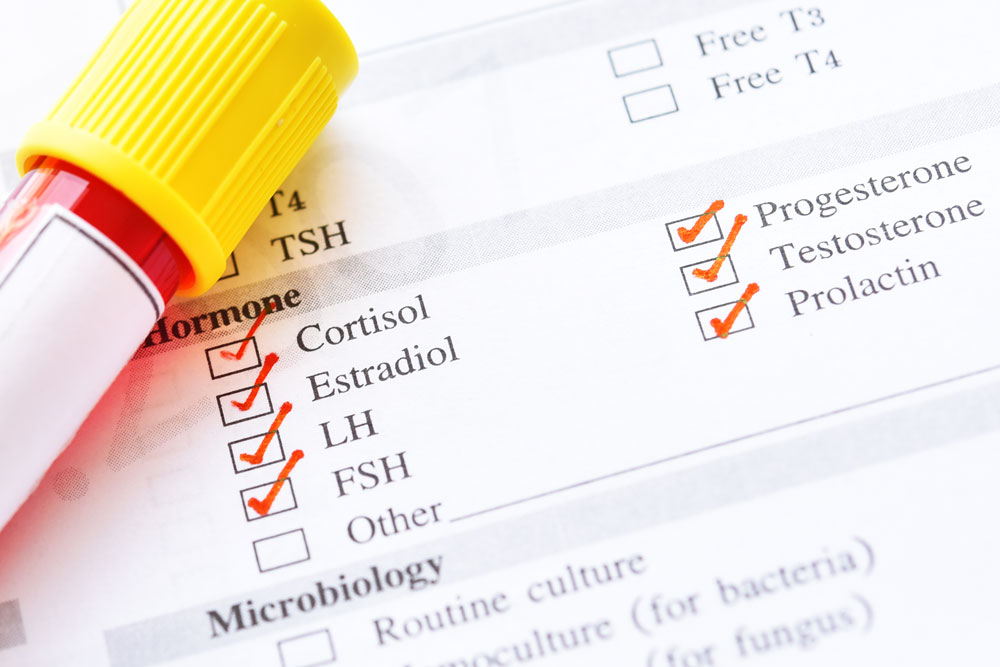
Hormonal Panel on day 2 or 3 of your cycle:
- FSH (Follicle-Stimulating Hormone)
- LH (Luteinizing Hormone)
- Estradiol (E2)
- AMH (Anti-Müllerian Hormone) – to assess ovarian reserve
- Progesterone – to confirm ovulation
- Prolactin – to rule out hormonal imbalances
- Thyroid Function Tests (TSH, Free T3, Free T4)
- Thyroid Antibodies (TPO, TG Antibodies) – to check for autoimmune thyroid conditions
- DHEA-S & Testosterone – to check for androgen imbalances
Other Important Tests:
- Vitamin D & B12 levels
- Iron levels (Ferritin, Hemoglobin)
- Blood sugar levels (Fasting Glucose & HbA1c)
- Full Blood Count (FBC)
- C-Reactive Protein (CRP) – to check for inflammation and underlying immune responses
For the male partner:
- Semen Analysis – to assess sperm count, motility, and morphology
- Semen Culture – to check for infections
- Sperm DNA Fragmentation Test – to assess sperm DNA integrity
- Hormonal Panel:
- FSH & LH
- Testosterone & Free Testosterone
- Prolactin
- Thyroid Function Tests (TSH, Free T3, Free T4)
- Vitamin & Nutrient Levels:
- Vitamin D & B12
- Zinc levels
- Physical Check for Varicocele – to rule out any testicular vein issues that could affect sperm quality
These tests will provide valuable insights into your fertility health and allow us to create a more personalized approach for you. Once you have the results, please send them over, and we can discuss the next steps.
Vaginal Microbiome
There’s one area I always encourage my clients to explore—your vaginal microbiome. It’s something we don’t hear much about, but it plays a huge role in reproductive health.
Your microbiome is made up of bacteria and yeast that work together to create a healthy environment for conception. When it’s in balance, it can support fertility, improve IVF outcomes, and lower the risk of miscarriage or infections. But when there’s an imbalance—whether it’s an overgrowth of harmful bacteria or yeast—it can silently affect your chances of success.
That’s why I strongly recommend getting tested for both vaginal bacteria and yeast, to get the full picture.
One of the best options out there is ScreenMe—they offer a comprehensive test you can do from home, along with clear results and expert advice to help you take the next steps.
You can check it out here: screenme.co.uk
If you do go ahead with testing and want to chat through the results, I’m here for you.
Scans
Let’s talk about ultrasound scans and why, in some cases, they might not be giving us the full picture—especially when we’re looking into issues like endometriosis, fibroids, adhesions, or abnormalities in the uterus.
Most scans offered through the NHS are 2D ultrasounds, which are great for spotting bigger or more obvious issues, but they can miss smaller or more subtle changes, especially when it comes to the shape and structure of the uterus or signs of conditions like endometriosis. These scans also depend heavily on who performs them and the equipment used.
A 3D transvaginal scan, on the other hand, provides a much more detailed and layered image. It allows us to see the uterus and surrounding structures in much more depth, and it’s far better at picking up things that standard scans might miss entirely.
If you’re happy to explore this further, I highly recommend seeing Bill Smith in London. He’s one of the most experienced and trusted specialists in this area, and his scans are incredibly thorough. I’ve seen many cases where clients finally got clarity after seeing him.
Let me know if you have any questions. I look forward to supporting you on this journey.
Warm regards,
Silene

 English
  French